
Wicker Park Condos: A First-Time Buyer's Guide for 2026
Wicker Park condos for first-time buyers offer a rare mix of historic character, strong transit access, and lively street life. According to Redfin, Wicker Park’s median sale price has generally ranged between $450,000 and $600,000 in recent years, based on data through late 2024. That range positions the neighborhood above many Chicago averages but below ultra-luxury corridors, creating an intriguing middle ground for entry-level professionals and early household formations planning a first purchase in 2026.
How Does Wicker Park Compare to Other First-Time Buyer Neighborhoods?
For many first-time buyers evaluating Chicago options, Wicker Park competes with Lakeview, Lincoln Park, and Logan Square. According to Zillow, typical Wicker Park condo values sit in a band roughly between $400,000 and $700,000, depending on size and finish level, as of early 2025. That places the neighborhood slightly below the priciest lakefront pockets of Lincoln Park yet above many West Town submarkets, reflecting strong demand for Milwaukee Avenue’s nightlife and proximity to the Loop.
Walkability is a key differentiator. Data from Walk Score assigns Wicker Park a Walk Score around 96, a Transit Score near 74, and a Bike Score around 95. Those figures outpace many North Side neighborhoods that rely more heavily on buses. With the CTA Blue Line Damen station, frequent service to O’Hare and the West Loop, and dense retail along Damen Avenue, North Avenue, and Division Street, a car often becomes optional rather than essential.
School access also shapes first-time buyer decisions, especially for households planning ahead. John C. Pritzker Elementary School on Schiller Street often receives mid-to-high ratings from GreatSchools, while LaSalle II Magnet School on Cleaver Street and Near North Montessori School on Division Street add options within a roughly 1 to 2-mile radius. For buyers assessing long-term value, proximity to these institutions can influence both immediate lifestyle and future resale considerations.
What Types of Condos Dominate the Wicker Park Market?
The Wicker Park condo landscape reflects the neighborhood’s layered history. Vintage three-flats along Hoyne Avenue, Crystal Street, and Evergreen Avenue often feature classic Chicago brick facades, high ceilings, and hardwood floors. Many have been converted into two- and three-bedroom units between roughly 1,000 and 1,600 square feet. Newer construction near the intersection of Milwaukee Avenue, Damen Avenue, and North Avenue introduces elevator buildings with indoor parking, balconies, and contemporary finishes that command price premiums.
On warm evenings near the corner of Milwaukee Avenue and Damen Avenue, the glow from The Violet Hour’s discreet entrance and the hum of Big Star’s patio carry across the triangle. The aroma of grilled tacos mixes with the sharp scent of lime and tequila, while the rumble of the Blue Line at Damen Station vibrates faintly underfoot. Passing headlights reflect off glass-and-steel condo balconies above Small Cheval, illustrating how entertainment, transit, and residential living stack vertically on the same block.
Loft-style residences add another category that especially appeals to creative professionals. Former warehouses along North Avenue and Division Street have been repurposed into open-plan units with exposed brick, timber beams, and large factory windows. Square footage often falls between 900 and 1,400 square feet, with flexible layouts that support home offices. According to listings aggregated by Redfin, these lofts typically price at a premium of roughly 5% to 10% over basic walk-up condos with similar bedroom counts.
What Do Financing and Monthly Costs Look Like for First-Time Buyers?
Entry costs in Wicker Park depend heavily on down payment strategies. According to HUD, Federal Housing Administration (FHA) loans allow down payments as low as 3.5% for qualified borrowers. Conventional loans frequently require between 5% and 20%, depending on credit profile and lender overlays. On a condo priced at $450,000, that translates into an initial down payment somewhere between roughly $15,750 and $90,000, before closing costs and prepaid expenses.
Ongoing ownership expenses extend beyond principal and interest. Cook County’s effective property tax rate typically falls in the range of 2.0% to 2.2%, based on analysis by the Civic Federation. For a Wicker Park condo assessed around $450,000, annual property taxes can therefore land between approximately $9,000 and $9,900. Monthly homeowners association dues often vary from roughly $200 to $450, depending on building size, amenities, and services such as snow removal and shared roof decks.
Insurance and transportation can offset some of those carrying costs. Condo insurance premiums in central Chicago neighborhoods frequently range between $500 and $900 per year, according to surveys compiled by ValuePenguin. Yet many Wicker Park residents forego a second vehicle or any car at all, thanks to the CTA Blue Line Damen station, multiple bus routes on North Avenue and Division Street, and convenient Divvy bike-share access near the Polish Triangle. Reduced car ownership can free several hundred dollars per month for mortgage payments or accelerated principal reduction.
How Livable Is Wicker Park Day to Day for New Condo Owners?
Daily life in Wicker Park centers around its parks, restaurants, and walkable retail. The namesake Wicker Park at Damen Avenue and Schiller Street provides playgrounds, sports courts, and a bustling dog-friendly lawn. Walsh Park and the western access point to The 606 Bloomingdale Trail sit less than 1 mile to the northwest, connecting runners and cyclists toward Bucktown and Humboldt Park. Cafes such as The Wormhole Coffee on Milwaukee Avenue and bakeries like Stan’s Donuts on Damen Avenue support a steady morning and midday foot traffic rhythm.
On weekend mornings, the Wicker Park Farmers Market spreads across the park’s paved paths with stalls of ripe berries, fresh basil, and warm pastries. The smell of roasted coffee drifts from nearby Big Star, mingling with the earthy scent of the lawn after early sprinklers. Acoustic guitar music from a corner performer blends with children’s laughter near the playground, while sunlight filters through mature trees onto condo balconies lining Schiller Street, giving the area a soft, inviting glow that highlights its everyday livability.
Retail variety reduces the need for long errands. Myopic Books on Milwaukee Avenue offers late-night browsing, while Piece Brewery & Pizzeria on North Avenue handles casual dinners. Small-format grocers along Division Street, including Mariano’s further east in the West Town corridor, supplement larger chains. According to Walk Score, more than 90% of errands in this part of Chicago can be completed on foot, illustrating how closely clustered essential services are around most condo buildings.
What Location and Transit Advantages Matter Most for First-Time Buyers?
Transit proximity ranks among Wicker Park’s strongest advantages. The CTA Blue Line Damen station provides frequent service to the Loop in roughly 10 to 15 minutes and to O’Hare International Airport in about 35 to 45 minutes, according to schedules published by the Chicago Transit Authority. Bus routes along North Avenue, Division Street, and Ashland Avenue extend reach toward Lincoln Park, River West, and the Near West Side, giving commuters multiple options if one line experiences delays.
Commuter convenience also ties into bike and pedestrian infrastructure. The 606 Bloomingdale Trail runs approximately 2.7 miles from Walsh Park near Wicker Park to Ridgeway Avenue, enabling cyclists to bypass car traffic on surface streets. Protected bike lanes along Milwaukee Avenue connect the neighborhood to the West Loop and downtown. For first-time buyers who prioritize flexible commuting options, those routes can reduce reliance on ride-hailing services and shorten travel times during peak congestion on the Kennedy Expressway, which lies roughly 0.5 miles east.
Proximity to employment centers broadens the appeal. The West Loop tech and restaurant district sits about 2 to 3 miles south, while the Loop’s financial core lies roughly 4 miles away. Both are easily reachable via the Blue Line or cycling. Access to healthcare at facilities like Presence Saints Mary and Elizabeth Medical Center on Division Street further strengthens the case for first-time condo ownership in Wicker Park, especially for professionals in demanding schedules who benefit from short, predictable commutes.
The $450,000 benchmark referenced at the start of this guide reflects the price territory where many first-time Wicker Park condo purchases cluster today. That figure from the opening underscores the importance of planning around both down payment capacity and Cook County’s roughly 2.0% to 2.2% effective property tax range when modeling affordability. The Chicago Association of Realtors market statistics portal offers detailed, frequently updated neighborhood data that clarifies inventory shifts and price bands. Buyers who monitor that dashboard closely and submit tour requests within 24 to 48 hours of listing activation ahead of the late-spring 2026 activity surge are positioned to lock in stronger terms; those who delay into early summer often face thinner choices and heightened bidding pressure.
FROM OUR BLOG
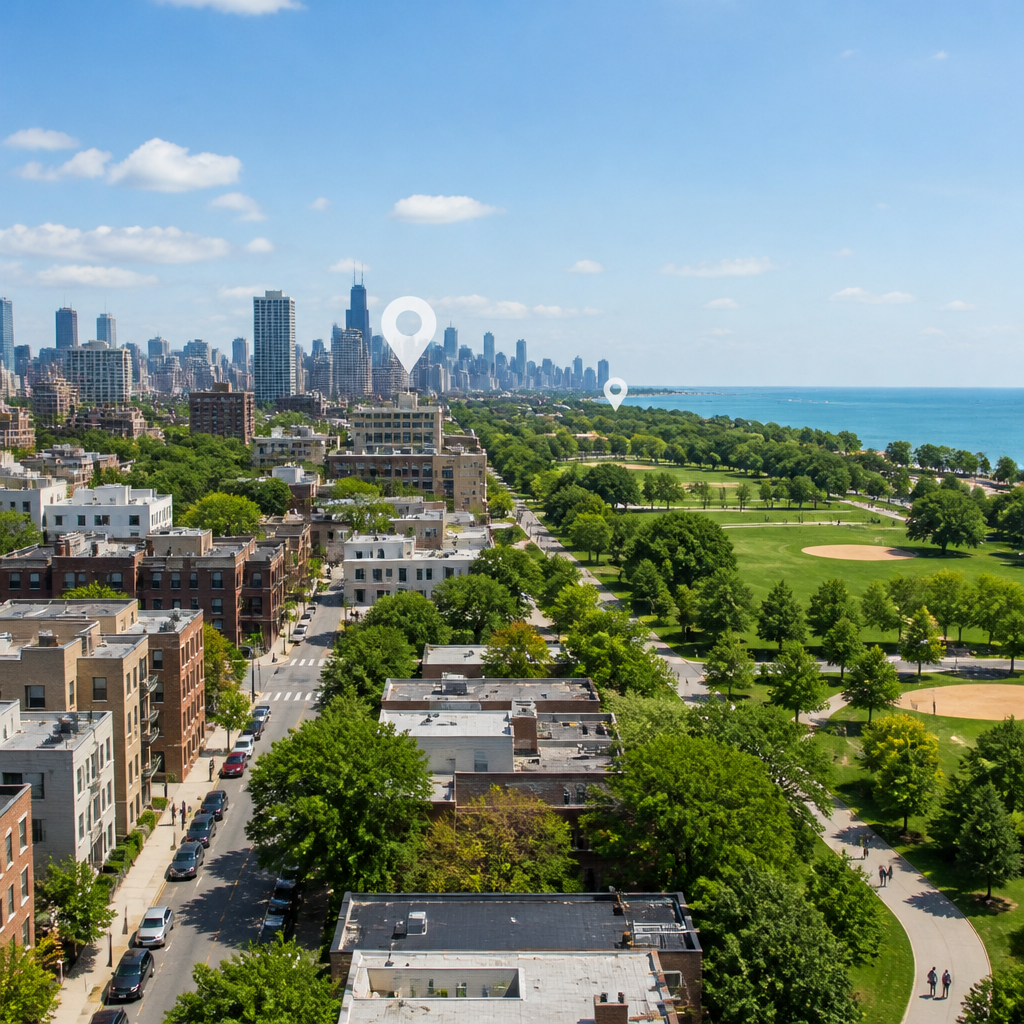
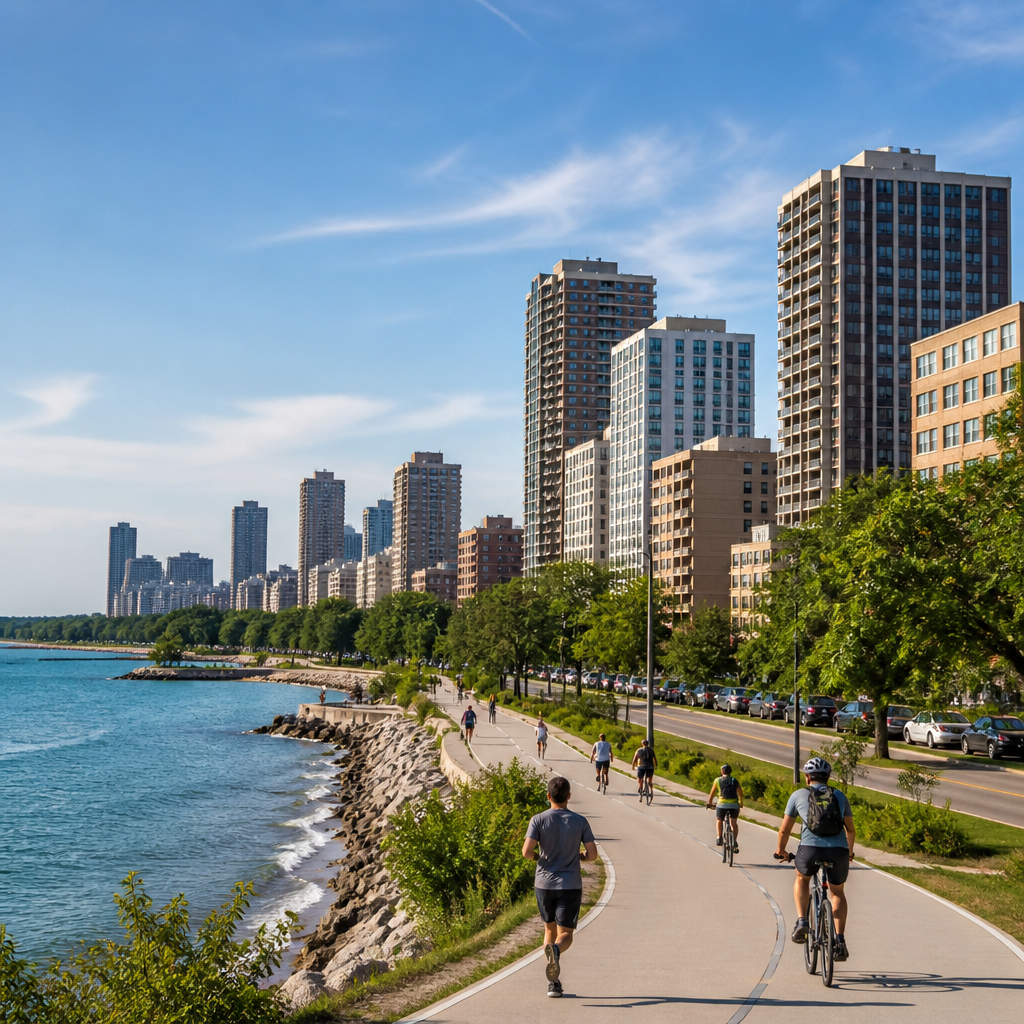
Moving to Lakeview East Chicago: Essential Tips for 2026
Moving to Lakeview East Chicago: Essential Tips for 2026 Moving to Lakeview East Chicago in 2026 means entering one of the city’s most walkable lakefront corridors. According to Walk Score, the broader Lakeview area posts a Walk Score of 92, a Transit Score of 80, and a Bike Score of 90 as of 2025,
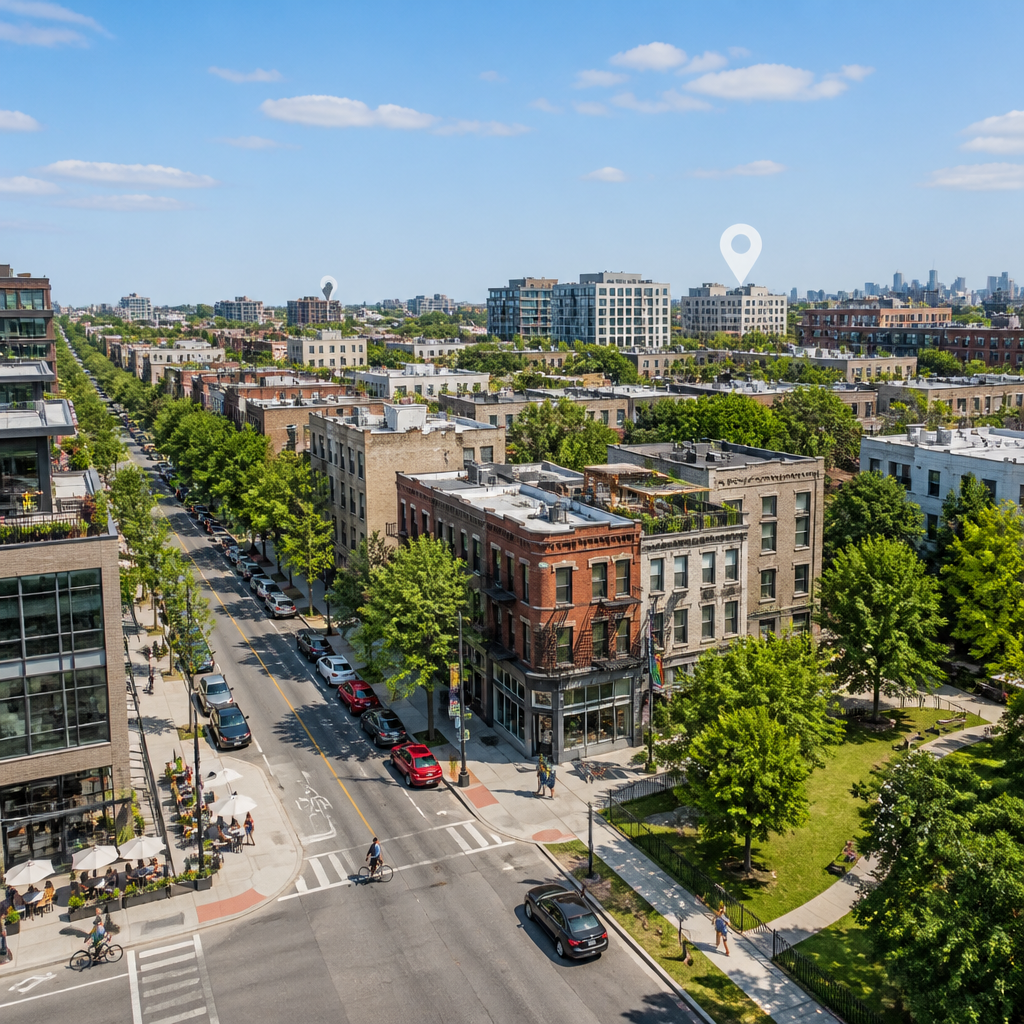
West Town Neighborhood Guide: Living and Investing in 2026
West Town Neighborhood Guide: Living and Investing in 2026 West Town sits just northwest of downtown Chicago, bridging Wicker Park, Ukrainian Village, East Village, and Noble Square into one connected district. According to Walk Score, West Town posts a walk score of 93, categorized as a walker’s pa
WORK WITH US
Reach out to an expert real estate agent today. Dive into the world of luxury real estate with guidance from our devoted team. Your dream home is within reach.

GET IN TOUCH