
West Town Neighborhood Guide: Living and Investing in 2026
West Town sits just northwest of downtown Chicago, bridging Wicker Park, Ukrainian Village, East Village, and Noble Square into one connected district. According to Walk Score, West Town posts a walk score of 93, categorized as a walker’s paradise, with daily errands rarely requiring a car. Historic worker cottages along Chicago Avenue now stand beside sleek mid-rise condos, while creative offices, galleries, and restaurants line Division Street, attracting both long-time residents and new investors seeking urban convenience.
What Defines West Town’s Location and Character in 2026?
West Town stretches roughly between Chicago Avenue to the south, Humboldt Park to the west, Ashland Avenue to the east, and Bloomingdale Trail to the north, placing residents about 2 miles from the Loop. The neighborhood’s core enclaves—Ukrainian Village, Noble Square, East Village, and River West—each add distinct architecture and storefronts. Historic churches along Chicago Avenue and ornate facades on Augusta Boulevard provide a backdrop for contemporary townhomes tucked along quiet side streets.
Along Division Street between Damen Avenue and Ashland Avenue, restaurants such as Smoke Daddy, Milk & Honey Cafe, and Innjoy share blocks with boutiques and small galleries. According to Realtor.com, inventory in this corridor typically stays below 60 active listings at any given time, which keeps the streets lively but not oversaturated. Tree canopies on Hoyne Avenue and Wood Street soften the urban grid and create a residential feel even close to busy intersections.
On warm summer evenings, the sidewalks near Mariano’s on Chicago Avenue carry the scent of grilled food drifting from backyard patios, while music spills softly from bars along Damen Avenue. Streetlights reflect off the glassy fronts of new condos near Noble Street, contrasting with the warm brick of vintage three-flats. Passing trains on the nearby Blue Line add a low metallic rush, mixing with laughter from outdoor tables at eateries like Beatnik on the River West edge.
How Strong Are Housing Options and Prices in West Town?
West Town’s housing stock ranges from classic two-flats and worker cottages to new construction condos and luxury single-family homes. According to Redfin data through early 2026, entry-level condos in West Town commonly trade between $350,000 and $500,000, while newer three-bedroom townhomes often land in the $650,000 to $900,000 range. Vintage greystones along Thomas Street and Rice Street can command premiums when fully renovated.
Detached single-family homes east of Western Avenue, especially near Augusta Boulevard and Erie Street, often compete with properties in neighboring Wicker Park. Based on market summaries from Realtor.com through late 2025, well-finished homes in the area frequently close somewhere between $850,000 and $1,300,000, depending on lot size and finishes. Modern new-construction designs with rooftop decks near Milwaukee Avenue and Chicago Avenue further stretch that range.
According to neighborhood trend charts from Redfin, West Town sale prices have generally tracked annual appreciation in the range of 3% to 5% in recent years, with average days on market often hovering between 25 and 40 days. Limited developable lots near popular corridors such as Division Street and Damen Avenue help support pricing, while condominium associations along Grand Avenue and Ogden Avenue provide relatively more accessible entry points for first-time buyers and investors.
Which Schools, Parks, and Amenities Anchor Daily Life?
West Town benefits from a mix of public, magnet, and private schools. John C. Pritzker Elementary on Evergreen Avenue stands out; according to GreatSchools, it holds a rating of 8/10, drawing families toward nearby blocks. LaSalle II Magnet School on Campbell Avenue offers language-focused programs, while Roberto Clemente Community Academy on Division Street and Wells Community Academy High School on Augusta Boulevard provide neighborhood high school options. Holy Trinity High School on Division Street adds a long-established private alternative.
Green space balances the dense housing grids. Eckhart Park on Chicago Avenue offers an indoor pool, sports fields, and roughly 8.85 acres of recreation, as detailed by the Chicago Park District. Commercial Park on Ohio Street delivers a community center, playground, and shaded benches, while nearby Wicker Park and Humboldt Park expand access to larger lawns, lagoons, and playgrounds within a short bike ride or a quick bus trip along Damen Avenue.
On a fall Saturday at Eckhart Park, the crisp air carries the smell of roasted coffee from nearby Star Lounge Coffee Bar as leaves crunch underfoot along West Chicago Avenue. Children’s laughter echoes from the playground while the muffled thump of a basketball game drifts from the field house. Dog walkers circle the open lawn, and the low hum of traffic on Milwaukee Avenue fades behind rustling trees, giving the park an unexpectedly calm, neighborhood-square feeling.
How Accessible Is West Town for Commuting and Nightlife?
Transit and road connections rank among West Town’s strongest advantages. The CTA Blue Line serves the area at the Division, Chicago, and Grand stations; according to the Chicago Transit Authority, trains run frequently, connecting to the Loop in approximately 10 to 15 minutes and O’Hare International Airport in around 40 minutes. Major bus routes on Chicago Avenue, Grand Avenue, and Ashland Avenue supplement train service, making car-free commuting practical.
For drivers, the Kennedy Expressway (I‑90/I‑94) borders the eastern edge near Ogden Avenue and Hubbard Street, offering rapid access to downtown and the northern suburbs, though rush-hour congestion can lengthen trips considerably. Bike lanes on Milwaukee Avenue, Damen Avenue, and Hubbard Street, combined with access to the 606/Bloomingdale Trail just north of North Avenue, support cycling commutes and recreational rides. These overlapping transportation options shape West Town into a key connector between downtown Chicago and Northwest Side neighborhoods.
Nightlife and dining cluster along Division Street, Milwaukee Avenue, and Chicago Avenue. Late-night venues in Wicker Park and West Town now share the stage with more intimate restaurants, bakeries, and cocktail bars in Ukrainian Village and Noble Square. According to Walk Score, West Town earns a transit score around the high 70s, signaling above-average access to buses and trains that keeps restaurants, galleries, and performance spaces viable deep into the evening hours.
What Investment Trends Shape West Town Through 2026?
West Town’s investment profile reflects both its central location and evolving housing stock. Data tracked by the Chicago Association of Realtors show that centrally located Chicago neighborhoods with strong transit access and walk scores above 90 have generally outperformed citywide averages over recent years in price stability. West Town’s mix of newer condos, classic two-flats, and small mixed-use buildings along corridors such as Chicago Avenue and Grand Avenue provides varied entry points for different investor strategies.
Smaller multi-unit buildings near Augusta Boulevard, Iowa Street, and Wolcott Avenue often appeal to owner-occupants seeking rental income from additional units. Based on rental surveys from Redfin and similar platforms through early 2026, two-bedroom apartments in updated buildings commonly command monthly rents somewhere between $2,000 and $2,800, with premium units along Division Street and Milwaukee Avenue sometimes exceeding $3,000. These ranges support both long-term hold strategies and value-add renovations when acquisition costs align.
Investor attention increasingly focuses on pockets west of Western Avenue near Humboldt Park and north toward the 606 Trail, where redevelopment has progressed gradually but consistently. According to neighborhood analyses on Realtor.com, properties within walking distance of the trail and Blue Line often show stronger listing activity and shorter marketing times, frequently under 35 days. Sensible leverage, careful attention to zoning, and awareness of evolving affordability debates remain critical in this evolving landscape.
The 93 walk score cited at the start of this guide reflects more than simple convenience; it underscores persistent demand for amenity-rich, transit-served neighborhoods like West Town even as broader market cycles shift. That same figure from the opening highlights the way dining, parks, schools, and transit interlock to sustain both livability and long-term value. The Chicago Association of Realtors neighborhood-level market statistics portal offers continuously updated context on inventory, pricing ranges, and absorption trends. Buyers and renters who register listing alerts through that resource and commit to touring promising West Town properties within 48 hours of activation before the late-spring surge in May typically secure stronger terms, while those delaying activity until after that seasonal upswing often encounter tighter inventory, more multiple-offer situations, and higher effective costs.
FROM OUR BLOG
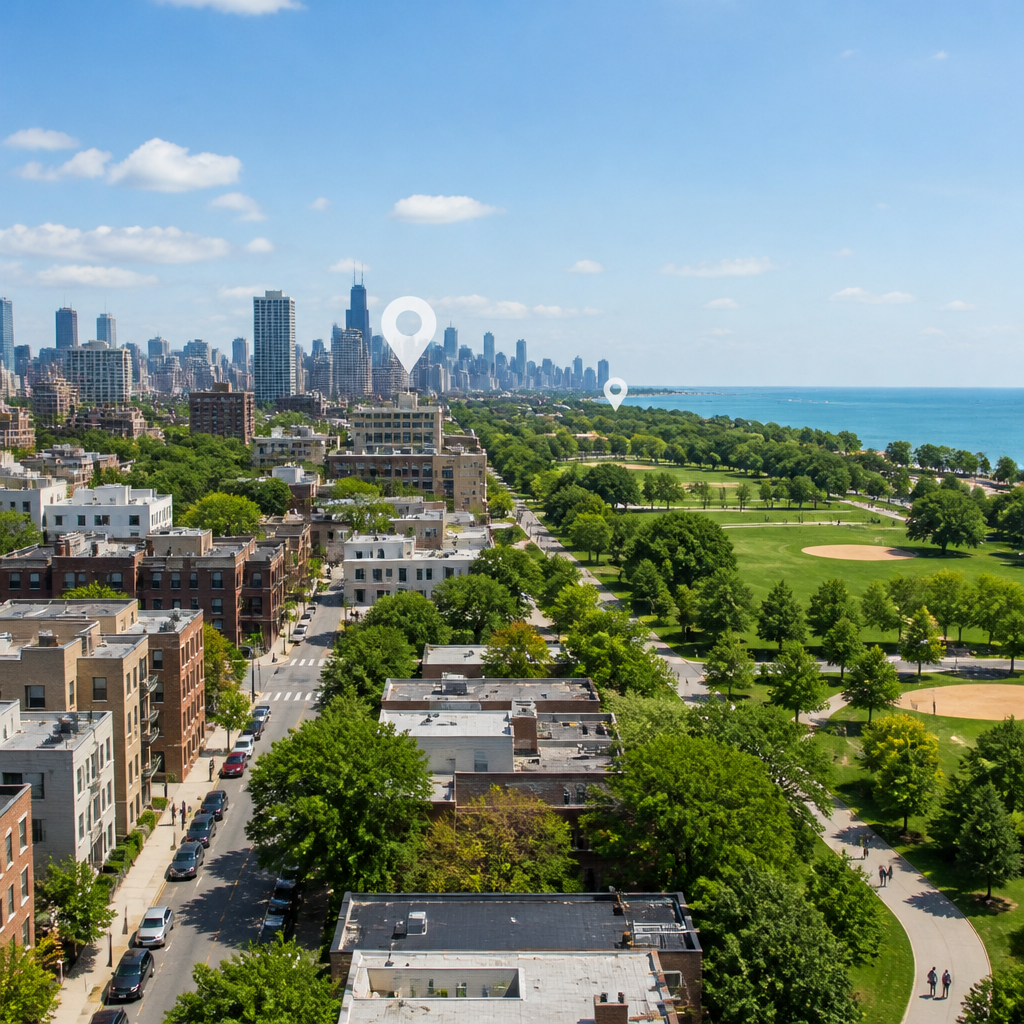
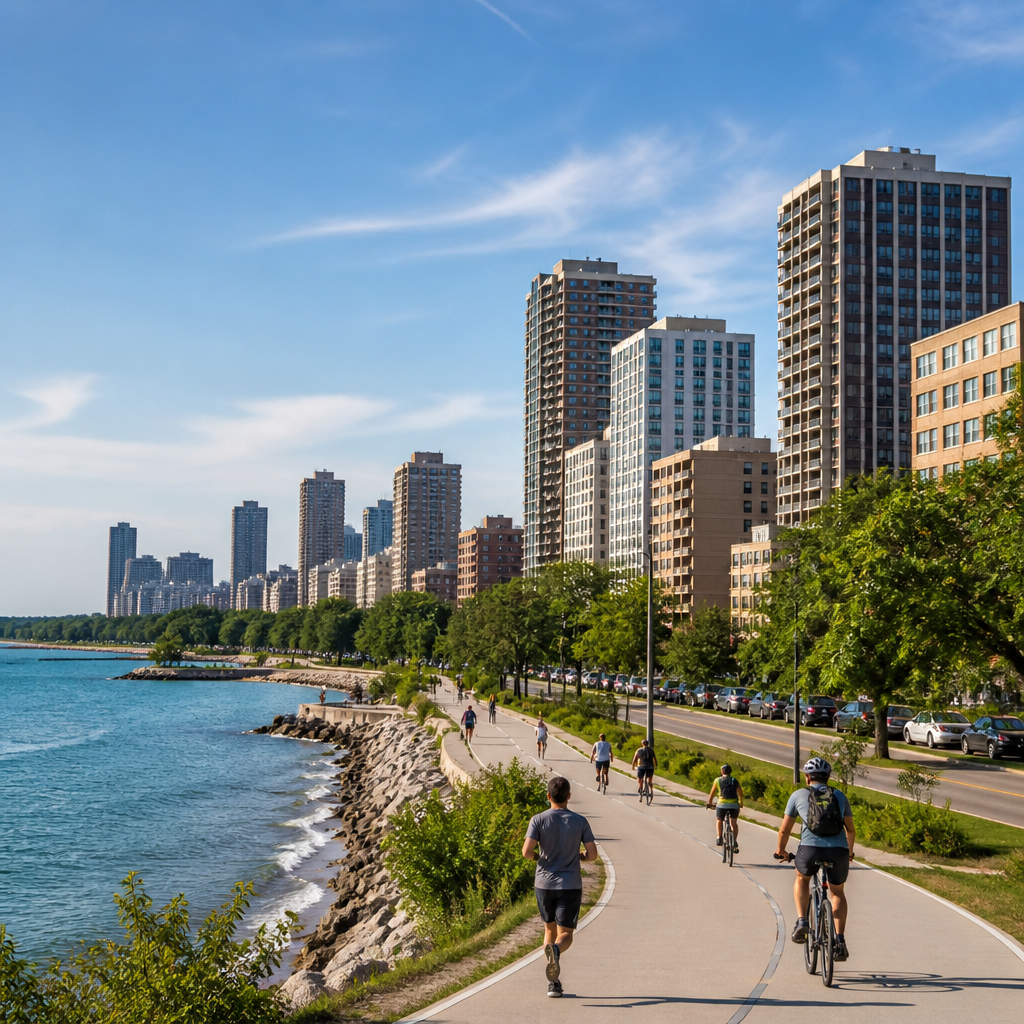
Moving to Lakeview East Chicago: Essential Tips for 2026
Moving to Lakeview East Chicago: Essential Tips for 2026 Moving to Lakeview East Chicago in 2026 means entering one of the city’s most walkable lakefront corridors. According to Walk Score, the broader Lakeview area posts a Walk Score of 92, a Transit Score of 80, and a Bike Score of 90 as of 2025,

Wicker Park Condos: A First-Time Buyer's Guide for 2026
Wicker Park Condos: A First-Time Buyer's Guide for 2026 Wicker Park condos for first-time buyers offer a rare mix of historic character, strong transit access, and lively street life. According to Redfin, Wicker Park’s median sale price has generally ranged between $450,000 and $600,000 in recent ye
WORK WITH US
Reach out to an expert real estate agent today. Dive into the world of luxury real estate with guidance from our devoted team. Your dream home is within reach.

GET IN TOUCH